New Trends in Smart Boards: The Future of Interactive Learning
Technology is changing the way people teach, learn, communicate, and collaborate. In modern classrooms, traditional whiteboards and projectors are gradually being complemented by more advanced digital solutions.
One of the most noticeable developments is the growing adoption of smart boards and interactive flat panels. With large touchscreens, high-resolution displays, wireless connectivity, and interactive software, these solutions are helping schools create more connected and engaging learning environments.
But what are the latest trends in smart board technology, and how are they shaping the future of education?
1. Interactive Flat Panels Are Becoming the New Standard
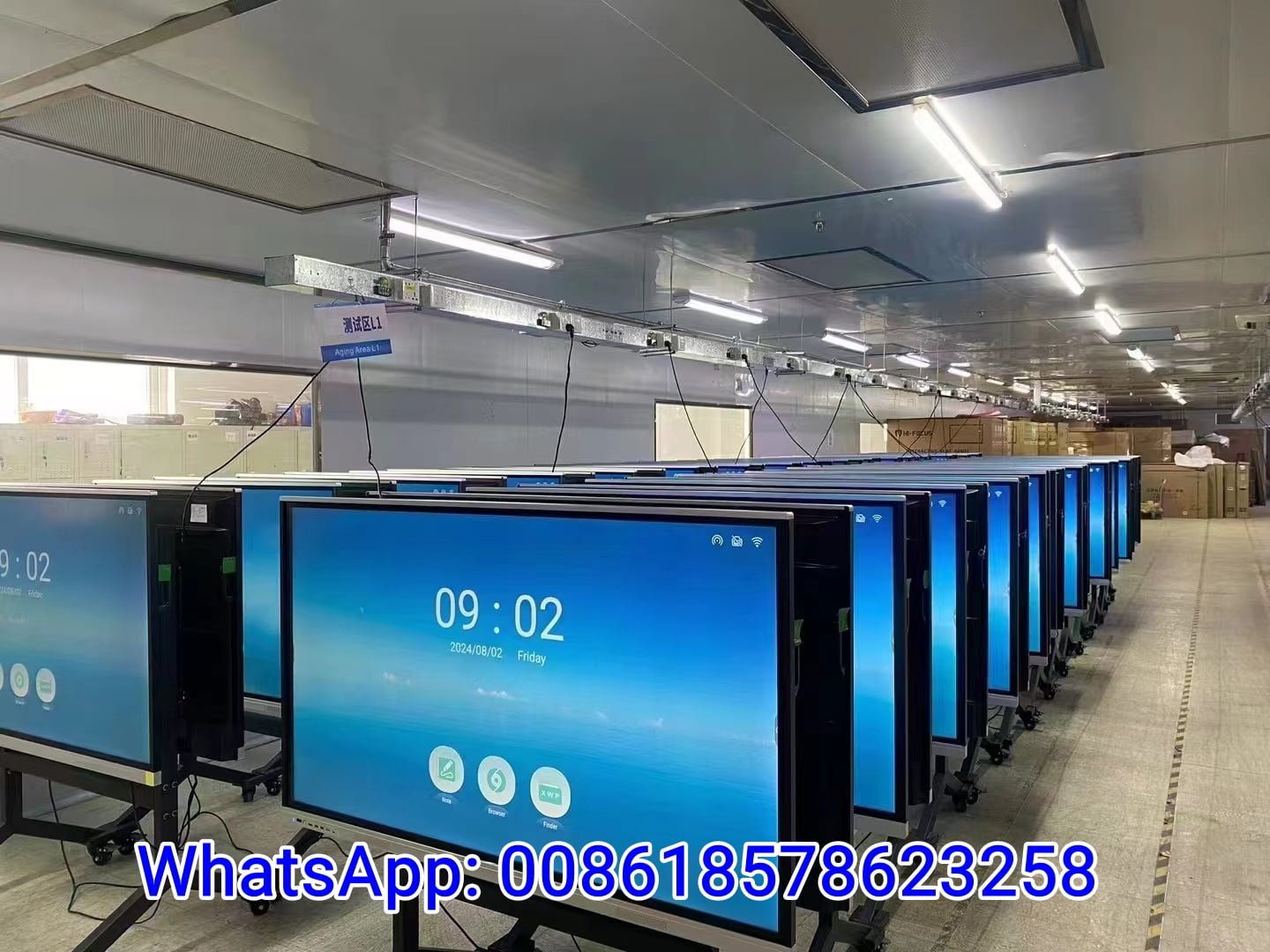
One of the biggest trends in the smart board market is the shift from traditional interactive whiteboards and projectors to interactive flat panel displays.
An interactive flat panel combines a large display, touchscreen technology, speakers, and connectivity features in a single device. This integrated design can simplify classroom setups while providing teachers with more ways to interact with digital content.
Instead of using a projector, separate speakers, and a traditional whiteboard, teachers can manage many classroom activities directly from one interactive display.
2. Larger and Higher-Resolution Displays
Modern classrooms require displays that are easy for students to see from different areas of the room.
As a result, larger screen sizes and higher-resolution displays are becoming increasingly common. Depending on classroom size and viewing distance, schools can choose from different display sizes to create a comfortable viewing experience.
High-resolution screens also make digital textbooks, diagrams, videos, presentations, and other educational materials clearer and easier to understand.
3. Multi-Touch Technology Makes Learning More Interactive
Touch interaction is one of the key advantages of modern smart boards.
Multi-touch technology allows teachers and students to interact with content directly on the screen. Users can write, draw, move objects, zoom in on images, and interact with compatible educational applications.
In group activities, multi-touch functionality can also allow more than one student to participate at the same time.
This creates new possibilities for collaborative learning and classroom activities.
4. Wireless Connectivity Is Changing the Classroom
Another important trend is the increasing use of wireless connectivity.
Teachers and students often use laptops, tablets, and smartphones as part of the learning process. Wireless screen sharing can make it easier to present content from different devices without repeatedly connecting cables.
For example, a student can share a project with the entire class, while a teacher can switch between a laptop presentation and content displayed directly on the interactive panel.
This flexibility can make classroom technology easier to use and support more collaborative teaching methods.
5. Smart Boards Are Becoming More Than Digital Whiteboards
Today’s smart boards are no longer simply electronic replacements for traditional whiteboards.
Modern interactive displays can support presentations, video playback, web-based resources, digital annotation, screen sharing, and interactive applications.
This means a single display can support different teaching styles and subjects.
From mathematics and science to language learning and art, teachers can use multimedia content to create lessons that are more visual and interactive.
6. AI Is Influencing the Future of Interactive Learning
Artificial intelligence is becoming an important technology across the education industry, and smart board systems are also beginning to benefit from AI-powered features.
Future interactive displays may provide smarter tools for lesson preparation, content organization, language assistance, handwriting recognition, and personalized learning activities.
AI does not replace teachers. Instead, it can help reduce repetitive tasks and provide additional tools that allow teachers to focus more on instruction and student interaction.
As AI technology continues to develop, its integration with interactive displays could become an important trend in smart classroom solutions.
7. Hybrid and Remote Learning Support
The growth of hybrid learning has also influenced the development of interactive display technology.
Schools and training organizations increasingly need to connect students and teachers who may not always be in the same physical location.
Interactive flat panels can work together with video conferencing platforms, cameras, computers, and other communication tools to support remote participation.
This creates a more flexible learning environment where classroom and remote participants can interact with digital content.
8. Better Software Integration
Hardware is only one part of a modern smart board solution. Software compatibility is becoming equally important.
Interactive flat panels are increasingly designed to work with educational applications, cloud platforms, video conferencing systems, content management tools, and other digital resources.
Better software integration allows schools to build a more connected digital classroom instead of using individual technologies separately.
9. Energy Efficiency and Long-Term Reliability
As schools and organizations deploy interactive displays across multiple classrooms and meeting spaces, energy efficiency and reliability are becoming more important considerations.
Manufacturers are focusing on display components, power management, durability, and system stability to help organizations reduce long-term operating costs.
For schools purchasing multiple interactive panels, reliable hardware and professional technical support can be just as important as display specifications.
10. Smart Boards Are Expanding Beyond Education
Although classrooms remain one of the most important applications, interactive flat panels are increasingly being used outside traditional education.
Businesses use interactive displays for meetings, presentations, training sessions, brainstorming, and collaboration.
They can also be used in training centers, healthcare facilities, public institutions, retail environments, and other commercial applications.
This broader range of applications is helping interactive display technology become an important part of modern digital environments.
Choosing the Right Interactive Flat Panel
With so many new technologies available, choosing the right smart board requires more than simply looking at screen size.
Organizations should consider display resolution, touch performance, operating system, connectivity, software compatibility, audio quality, installation requirements, and long-term support.
It is also important to consider the intended application. A classroom may have different requirements from a corporate meeting room or digital signage environment.
The Future of Smart Board Technology
The future of smart boards is moving toward more connected, intelligent, and flexible interactive display solutions.
As touchscreen technology, wireless connectivity, AI, cloud applications, and digital collaboration continue to develop, interactive flat panels are expected to play an increasingly important role in modern classrooms and workplaces.
For schools and businesses, the goal is not simply to replace traditional displays. The real opportunity is to create more interactive environments where technology supports communication, collaboration, and better learning experiences.
Arotouch Interactive Display Solutions
Arotouch specializes in interactive flat panels, smart boards, and digital signage solutions for education, business, and commercial applications.
By combining interactive touchscreen technology with modern display solutions, Arotouch helps schools, businesses, distributors, and system integrators build flexible digital environments.
Arotouch also supports OEM and ODM cooperation, providing customized interactive display solutions for global partners.
As smart classroom and digital collaboration technologies continue to evolve, Arotouch is committed to developing display solutions that meet the changing needs of modern education and business.
Conclusion
Smart board technology is evolving from a simple digital replacement for the traditional whiteboard into a comprehensive interactive platform.
Larger displays, multi-touch technology, wireless connectivity, AI-powered features, better software integration, and support for hybrid learning are creating new possibilities for classrooms and workplaces.
As these trends continue, interactive flat panels will become an increasingly important tool for organizations looking to create smarter, more connected, and more collaborative environments.

Smart Board